When I was growing up in the Maldives, there was an Australian song I used to hear: “My Island Home”, sung by Christine Anu.
I didn’t know its story back then. Neil Murray wrote it for the Warumpi Band, inspired by their singer’s longing for his home on Elcho Island, off Arnhem Land. All I knew was how it made me feel. It was a song about the sea, about belonging, and about an island that stays inside you wherever you go.
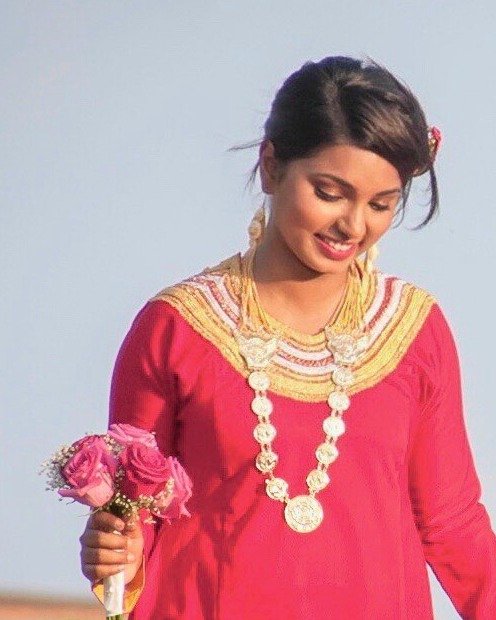
I’m Maldivian. That feeling is the best way I know to explain Maldives culture, and why my country is so much more than the postcard.
More than a postcard
Most of the world knows one picture of the Maldives: an overwater villa, a lagoon like glass, nobody else in sight.
It’s beautiful, and it’s real. But it isn’t the whole country.
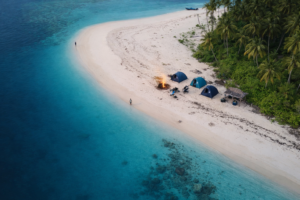
The Maldives is a scatter of coral islands across the Indian Ocean, and around two hundred of them are home to Maldivian communities. Each one has its own mosque, its own school, its own football field, and its own way of doing things. Ask a Maldivian where they’re from and they’ll name an island, not a city. That island is part of who they are.
A nation of seafarers
For us, the sea isn’t the view. It’s the road, the pantry and the neighbour.
Our fishermen still catch tuna the old way, one fish at a time with a pole and line, from wooden boats called dhoni. Children learn to swim before they can ride a bike. Weddings, visits and hospital trips all happen by boat.
When you understand that, the ocean looks different. It’s not empty. It’s full of life, and full of people’s stories.
Mornings taste like mas huni
If you want to know a culture, start with breakfast.
Ours is mas huni: tuna, fresh coconut, onion, lime and chilli, mixed by hand and eaten with warm roshi flatbread. Lunch might be garudhiya, a clear fish broth served with rice, lime and chilli. In the late afternoon comes tea time, with sweet black tea and plates of hedhikaa, our little fried and baked snacks.
In a Maldivian home, a guest is never left without food. If someone offers you tea, say yes. That’s how friendships begin.
The heartbeat of boduberu
On a celebration night, you’ll hear it before you see it: boduberu, our big drums.
The rhythm starts slow, then builds and builds as the singers and dancers join in, until the whole crowd is moving. It’s loud, joyful and completely irresistible. Many local islands and some resorts hold boduberu nights for visitors, and it’s one of the best ways to feel the spirit of the islands.
Faith, family and the rhythm of the day
The Maldives has been a Muslim country for nearly nine centuries, and faith shapes the gentle rhythm of island life.
The call to prayer marks the hours. Friday is our holy day. In the evenings, families sit outside on joali, our woven rope seats, talking while the children play in the sandy streets. Elders are respected, neighbours look out for each other, and everyone seems to know everyone.
Visitors are welcomed warmly. A little respect, like covering shoulders and knees in the village, is returned many times over.
Our language, our story
We speak Dhivehi, written in our own script, Thaana, which runs from right to left. A few words will win you instant smiles:
Assalaamu alaikum: hello (peace be upon you)
Kihineh?: how are you?
Barabaru: good, fine
Shukuriyaa: thank you
Try them on a fisherman, a shopkeeper or your guest house host. Watch their faces light up.
Why getting to know the real Maldives matters
The Maldives is the lowest-lying country on Earth. Our islands sit only a little above the sea, and we live closely with nature in a way few places do.
When you spend time on a local island, your stay supports local families: the guest house owner, the boat captain, the cook, the dive guide. And you leave with something no resort can give you on its own: a sense of who we are.
How to meet the Maldives as it is
- Stay a few nights on a local island, then finish at a resort if you like. Here’s how a split stay works.
- Eat where locals eat. Order mas huni at a local café and ask what’s fresh today.
- Go out with the fishermen, or join a sunset fishing trip.
- Say yes to tea, to conversation, to a boduberu night.
- Learn a few words of Dhivehi.
Come and meet my island home
Every Maldivian carries an island inside them, the same way that song carries Elcho Island. Wherever we go, part of us is still sitting on a joali in the evening breeze, listening to the sea.
The postcard will bring you to the Maldives. I hope the people make you want to come back.
If you’d like to see the Maldives as it is, get in touch. I’d love to show you my island home.