Every year around this time, the same question lands in my inbox. This year it’s about Maldives travel during Ramadan 2027: “We’re looking at February. Is that Ramadan? Should we avoid it?”
My honest answer is no. For the right traveller, Ramadan is one of the most beautiful times to stay on a local island. I grew up with it. The days slow down, the evenings come alive, and you see a side of the Maldives that most resort guests never do.
This guide is for two kinds of travellers. If you’ve never experienced Ramadan, I’ll walk you through what changes, what doesn’t, and how to be a good guest. If you’re a Muslim traveller looking for a halal holiday, I’ll explain why a fully Muslim island nation might be the most relaxed place you’ll ever spend the holy month.
When is Ramadan 2027 in the Maldives?
Ramadan 2027 is expected to run from Monday 8 February to Monday 8 March 2027, with Eid al-Fitr on Tuesday 9 March. In the Maldives, the start and end are confirmed by local moon sighting through the Ministry of Islamic Affairs, so either date can move by a day. (Wego)
We call Ramadan roadha mas, the fasting month. It moves about 11 days earlier each year because it follows the lunar calendar.
The timing works well for Australians. February and March sit in the Maldives’ dry season, with calm seas, clear water and plenty of sunshine. If you’re planning around Ramadan, book your local island nights early. Guesthouses fill up with travellers who know how special this season is.
What changes on a local island
The biggest change is the rhythm of the day. Locals fast from dawn until sunset, so days are quiet and nights are busy.
- Daytime is slow. Most local cafés and restaurants close during daylight hours and reopen at sunset. Shops often keep shorter hours.
- Your guesthouse still feeds you. Guesthouses that host tourists usually serve breakfast and lunch to guests discreetly. We always confirm a meal plan before you arrive, so you’re never hunting for lunch.
- Sunset is the main event. When the call to Maghrib prayer sounds, families break their fast together. We call this roadha villun. Within minutes, the island fills with people, food and conversation.
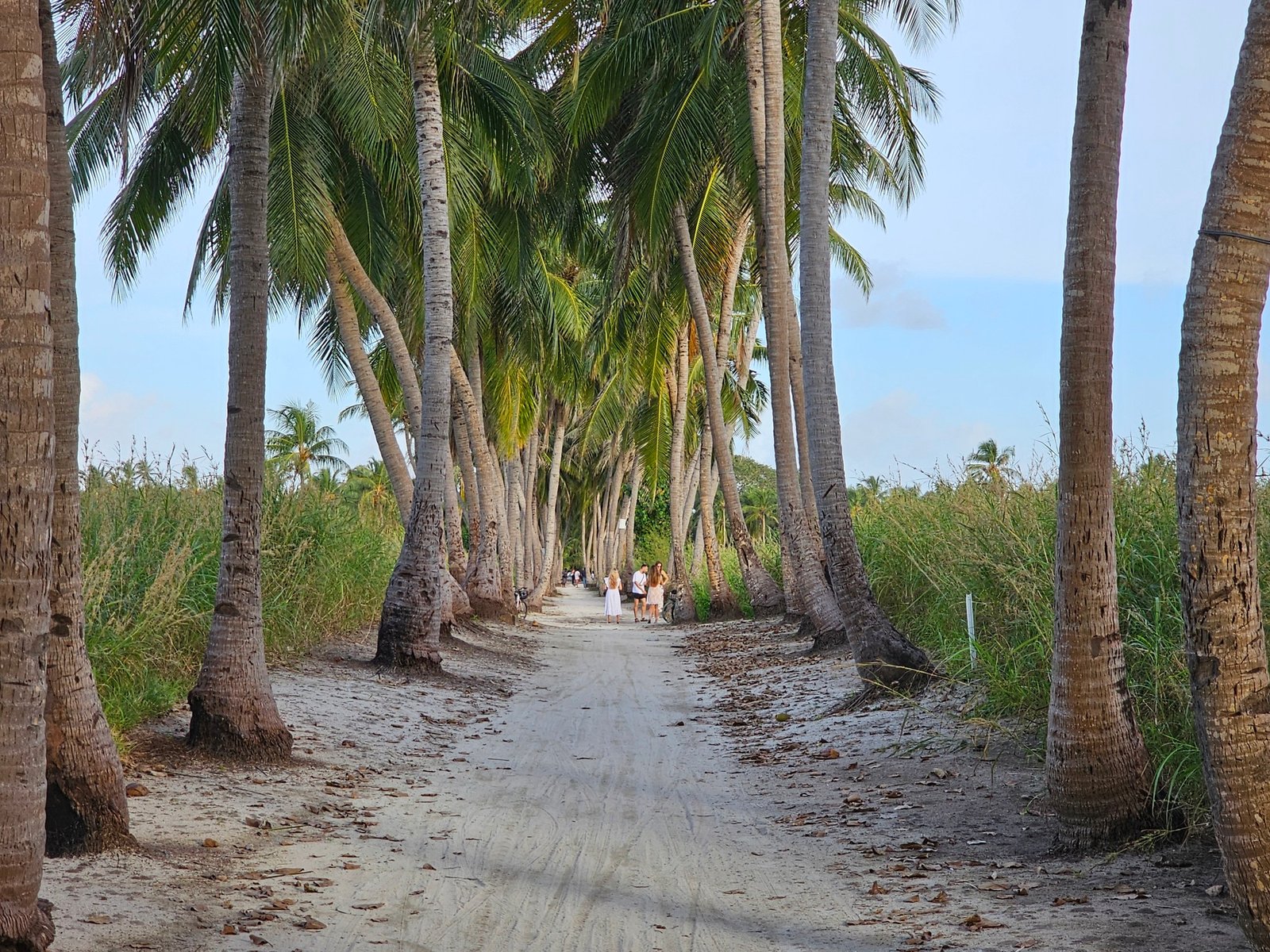
- Nights run late. Teashops and cafés stay open well into the night. It’s the best time to walk the island, meet people and try local snacks.
- Excursions may shift earlier. Snorkelling and sandbank trips still run, but some crews prefer morning departures so they’re home for iftar.
What doesn't change
The ocean doesn’t fast. The reefs, turtles, manta rays and sandbanks are all still there, and the dry-season visibility is excellent.
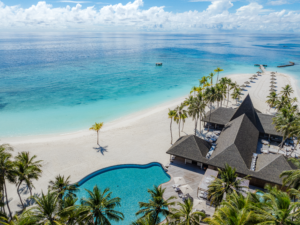
Resorts also run as normal. They operate on their own islands with their own rules, so dining, activities and entertainment carry on as usual. That’s why a split stay works so well in February. You get the culture of a local island at Ramadan, then move to a resort for full-service days on the lagoon.
For Muslim travellers: a halal holiday without compromise
If you’re a Muslim traveller, a local island in the Maldives may be the easiest place in the world to holiday during Ramadan. The Maldives is a 100% Sunni Muslim nation (Minivan News), and on local islands the whole community fasts with you.
Here’s what that means in practice:
- Everything is halal. Food on local islands is halal by default, and there’s no alcohol. You don’t need to check every menu or ask about the kitchen.
- A mosque is always close. Inhabited islands are built around their mosques, so you can walk to Taraweeh prayers each night.
- Iftar and suhoor are part of island life. Guesthouses plan meals around the fast, and you can break your fast with local families rather than alone in a hotel room.
- You don’t stand out. Fasting is normal here. Nobody wonders why you’re skipping lunch.
- Families and groups fit in easily. Local islands are calm, safe and family-oriented, which suits groups travelling together.
One thing to know about resorts: most cater to international guests and serve alcohol and pork. If you plan to add resort nights, ask us. We’ll steer you towards properties with suitable dining, prayer space and proper iftar and suhoor arrangements.
Travelling as a group? We plan Ramadan and Eid trips for halal travel groups, community groups and extended families. Tell us your group size and dates, and we’ll design an itinerary around prayer times, iftar and Eid.
How to be a good guest during Ramadan
You don’t need to fast, and nobody expects you to. A little awareness goes a long way, though.
- Eat and drink out of public view during the day. Your guesthouse, its garden and the tourist beach are fine. Avoid snacking while walking through the village.
- Dress modestly in the village. Cover shoulders and knees away from the beach. Swimwear belongs on the designated tourist beach, as it does all year.
- Keep it low-key. Skip loud music and public displays of affection, especially near mosques.
- Be patient with service. Staff are fasting, often after a late night. A smile and a little flexibility are appreciated.
- Say yes to invitations. If someone invites you to break the fast, go. It’s the best part of the trip.
A greeting of Ramadan Mubarak is always welcome.
Joining an iftar: what's on the table
A Maldivian iftar starts with dates and water or juice, then moves on to a spread built on tuna, coconut and rice. You’ll likely try:
- Hedhikaa: our short eats, such as gulha (fried tuna dumplings), bajiya (pastry pockets) and kulhi boakiba (spicy fish cake)
- Mas huni with roshi: shredded tuna, coconut and onion with flatbread
- Garudhiya: a clear tuna broth eaten with rice, lime and chilli
- Bondibai: a sweet rice pudding
Many of our partner guesthouses host iftar for guests. Some families welcome visitors to their own tables. If you’d like a home iftar experience, mention it when you enquire and we’ll try to arrange one.
Staying for Eid
If you can, stay through the end of Ramadan. Eid al-Fitr, expected on Tuesday 9 March 2027, is one of the happiest days of the year on a local island.
The morning starts with Eid prayers. Then the island celebrates with family visits, shared meals, new clothes and games. It’s a public holiday, so some services pause for a few days. Book transfers early if you’re travelling around Eid.
A sample Ramadan split stay (7 days)
This is how I’d shape a week during Ramadan, based on our Two Worlds, One Lagoon split stay.
Day 1: Arrive in Malé and take a speedboat to a local island. Settle into your guesthouse in time for your first iftar.
Day 2: Morning snorkelling on the house reef. A quiet afternoon on the tourist beach. Walk the island after sunset.
Day 3: Early sandbank and turtle trip, back before sunset. Iftar with a local family, if arranged.
Day 4: Free morning, then hedhikaa and late-night tea at a local café.
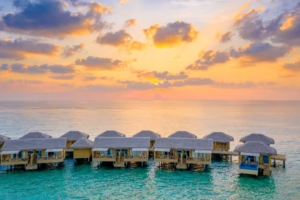
Day 5: Transfer to an overwater villa at a resort.
Day 6: Lagoon days, spa and sunset on your deck.
Day 7: Depart, or extend to stay through Eid.
Muslim travellers can swap resort nights for more local island time, or choose a resort with iftar and suhoor arrangements.
Ready to plan your Ramadan 2027 trip? Tell us your dates and we’ll send a tailored plan within 24 hours. Individual travellers, families and halal travel groups are all welcome.
Quick answers
Can non-Muslims visit the Maldives during Ramadan? Yes. Tourists are welcome on local islands and resorts throughout the month.
Will I be able to eat during the day? Yes. Your guesthouse will serve you discreetly, and resorts operate normally.
Is the Maldives good for a halal holiday? Very. Local islands are fully halal and alcohol-free, with mosques within walking distance.
Do snorkelling and diving trips still run? Yes, though some depart earlier in the day.
Could the dates change? By a day either way, depending on the moon sighting. We’ll confirm as your trip approaches.